Home » Electrical Services
Category Archives: Electrical Services
Code Compliance and Safety Inspections in Commercial Electrical Service Projects
In the world of commercial construction and facility management, few aspects are as critical as electrical code compliance and safety inspections. Commercial Electrical Service projects are far more complex than typical residential work. They involve higher voltage systems, larger loads, intricate distribution networks, and strict regulatory oversight. From office buildings and retail centers to manufacturing facilities and warehouses, every commercial property relies on safe, compliant electrical infrastructure to operate efficiently and protect occupants.
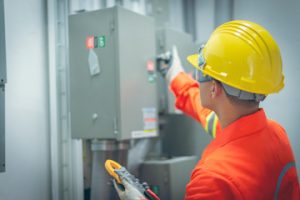
Understanding how code compliance and safety inspections function within commercial electrical service projects is essential for property owners, facility managers, and project developers. Not only do these processes safeguard people and equipment, but they also protect businesses from liability, costly downtime, and failed inspections that can delay occupancy or expansion plans.
Why Code Compliance Matters in Commercial Electrical Service
Electrical codes exist to establish minimum safety standards for the design, installation, and maintenance of electrical systems. In commercial environments, these standards address issues such as load calculations, overcurrent protection, grounding and bonding, emergency systems, fire alarm integration, and energy efficiency requirements. Compliance is not optional; it is a legal and operational necessity.
Commercial buildings often house dozens or even hundreds of occupants at any given time. A single wiring defect or overloaded circuit can lead to fire hazards, power outages, or damage to sensitive equipment. Electrical codes are written to minimize these risks by ensuring that systems are designed and installed according to proven safety principles.
Beyond life safety, code compliance supports operational continuity. When electrical systems meet regulatory standards, they are more likely to perform reliably under heavy demand. Proper conductor sizing, correctly rated panels, and compliant grounding systems all contribute to stable power distribution and reduced risk of unexpected failures.
The Scope of Safety Inspections in Commercial Projects
Safety inspections in commercial electrical service projects occur at multiple stages. They are not a one-time event but an ongoing process that begins in the design phase and continues through installation and final commissioning.
Inspections typically cover:
- Plan review before construction begins, ensuring that electrical drawings align with applicable codes and load requirements.
- Rough-in inspections during installation, verifying that wiring methods, conduit routing, and equipment placement meet safety standards.
- Final inspections after installation is complete, confirming that all devices, panels, and systems are properly connected, labeled, and tested.
In addition to these formal inspections, many commercial electrical contractors implement internal quality control checks. These proactive measures identify potential code violations or safety issues before official inspectors arrive, reducing the risk of costly corrections.
Common Code Compliance Issues in Commercial Electrical Service
Despite careful planning, code violations can occur if systems are not installed correctly or if project requirements change mid-construction. Some of the most common compliance issues in commercial electrical service projects include improper grounding, inadequate circuit protection, insufficient working clearance around panels, and failure to label circuits accurately.
Improper grounding and bonding can create shock hazards and compromise the effectiveness of overcurrent devices. In commercial facilities with high-power equipment, grounding systems must be carefully engineered to handle fault currents safely. Any deviation from code requirements can pose serious risks.
Another frequent issue is undersized conductors or overloaded panels. Commercial spaces often evolve over time, with additional equipment or workstations added to existing circuits. Without proper load calculations and panel capacity planning, these changes can result in overheating, nuisance tripping, or even fire hazards.
Working clearance is another critical factor. Electrical panels and switchgear require specific clearance distances to allow safe maintenance and emergency access. Storing materials in front of panels or installing equipment too close to energized components can lead to inspection failures and safety violations.
The Role of Electrical Contractors in Ensuring Compliance
Professional electrical contractors play a central role in achieving and maintaining code compliance. Their responsibilities extend beyond simply installing wiring and devices. They interpret complex electrical codes, coordinate with engineers and inspectors, and ensure that every aspect of the installation aligns with regulatory standards.
During the planning phase, experienced contractors review design documents to confirm that specifications meet code requirements. They verify load calculations, confirm appropriate conductor sizes, and ensure that overcurrent protection devices are correctly rated for the intended application. By addressing potential issues early, they help prevent delays and costly redesigns.
During installation, contractors supervise crews to ensure proper workmanship. This includes correct conduit bending, secure cable supports, proper termination techniques, and adherence to manufacturer instructions. Attention to detail during installation significantly reduces the likelihood of code violations during inspection.
The Importance of Documentation and Permitting
Code compliance in commercial electrical service projects is closely tied to permitting and documentation. Before work begins, permits must be obtained from the appropriate authority. These permits signal that the project will be reviewed and inspected according to applicable standards.
Accurate documentation is essential throughout the project lifecycle. Electrical drawings, load calculations, panel schedules, and equipment specifications must be readily available for review. Inspectors rely on this documentation to verify that installations match approved plans.
Inadequate or outdated documentation can result in delays, failed inspections, and additional costs. For property owners, maintaining organized records of electrical work is also valuable for future renovations, expansions, or property transactions. Clear documentation demonstrates that systems were installed and inspected in compliance with regulatory requirements.
Safety Inspections as a Risk Management Strategy
While inspections are often viewed as a regulatory hurdle, they should be understood as a vital risk management strategy. Electrical failures in commercial properties can lead to severe financial consequences, including property damage, business interruption, and liability claims.
Regular inspections help identify issues such as loose connections, deteriorated insulation, corroded components, and overloaded circuits before they escalate into major problems. In facilities with mission-critical operations, even minor electrical faults can disrupt productivity and damage equipment.
A comprehensive safety inspection program typically includes:
- Thermal imaging scans to detect overheating connections or components.
- Testing of ground fault and arc fault protection devices to ensure proper operation.
- Verification of emergency lighting and backup power systems for code compliance.
By integrating these inspections into routine maintenance schedules, property owners reduce the likelihood of unexpected outages and enhance overall system reliability.
Upgrades and Renovations: Maintaining Compliance Over Time
Commercial buildings rarely remain static. Tenant improvements, equipment upgrades, and layout changes often require modifications to the electrical system. Each change must be evaluated for code compliance, even if the original installation passed inspection years earlier.
Electrical codes are periodically updated to reflect new safety standards and technologies. When performing renovations or service upgrades, contractors must apply the current version of the code, not the one in effect when the building was originally constructed. This can affect requirements for energy efficiency, lighting controls, grounding methods, and fire protection systems.
For property owners, it is crucial to involve qualified electrical professionals early in the planning process. Attempting to add circuits or modify panels without proper evaluation can lead to noncompliant installations and potential safety hazards.
Energy Efficiency and Code Requirements
Modern electrical codes increasingly emphasize energy efficiency, especially in commercial buildings where lighting and HVAC systems consume significant power. Code compliance now extends beyond safety to include performance standards that reduce energy consumption and environmental impact.
Requirements may include high-efficiency lighting systems, occupancy sensors, daylight harvesting controls, and power factor correction measures. Electrical service projects must account for these mandates during both design and installation phases.
Compliance with energy-related provisions not only satisfies regulatory requirements but also lowers operational costs. Businesses benefit from reduced utility bills and improved sustainability profiles, making energy-efficient electrical systems a smart investment.
Preparing for a Successful Electrical Inspection
Preparation is key to passing commercial electrical inspections without delays. Contractors and property owners can take several steps to ensure a smooth process. First, conduct internal walkthroughs before the official inspection to identify visible deficiencies. Check that panels are properly labeled, cover plates are installed, and required clearances are maintained.
Second, verify that all required tests have been completed and documented. This includes testing of emergency lighting, backup generators, fire alarm systems, and ground fault protection devices. Inspectors often request proof of testing, and having documentation readily available speeds up approval.
Finally, ensure that the work site is clean and accessible. Obstructed panels or unfinished areas can lead to reinspection requests. A well-organized environment reflects professionalism and attention to detail, which inspectors appreciate.
Long-Term Benefits of Code-Compliant Electrical Systems
Investing in code compliance and thorough safety inspections yields long-term benefits for commercial properties. Compliant systems are safer, more reliable, and easier to maintain. They also enhance property value and reduce the likelihood of insurance disputes in the event of an incident.
For tenants and occupants, visible evidence of professional electrical service work fosters confidence in the building’s infrastructure. Reliable lighting, stable power, and functional emergency systems contribute to a productive and secure environment.
Ultimately, code compliance and safety inspections are not merely bureaucratic requirements. They are foundational elements of responsible commercial property management. By partnering with knowledgeable electrical contractors, maintaining accurate documentation, and prioritizing regular inspections, property owners can ensure that their commercial electrical service projects meet the highest standards of safety and performance.
In an increasingly complex regulatory landscape, staying proactive is the best strategy. When safety, efficiency, and compliance are integrated into every phase of a commercial electrical project, the result is a resilient electrical system that supports business operations for years to come.